
Do you still need WordPress?
Full circle
In my last days at Automattic and those few afterwards I have had some interesting conversations. And rather than dance around the subject, I had several genuinely hard chats about the future of WordPress and the wider “open” web (whatever that actually means in 2026). The use of AI in all aspects of the digital world has shaken the web we have been building for decades and most of us are stood here wondering where it goes. It feels like the GeoCities days of the late 90s where anyone could make a website… what followed was fixing this.
Back then search engines just counted how often a page used your words. So people stuffed pages with keywords (often white text on a white background) and swapped visitors through web rings. Then Google turned up in 1998 with PageRank. Rather than trusting what a page said about itself, it looked at who linked to it, and a link became a vote. People gamed that too with link farms and paid links. Google kept tightening the screws for the next decade and the slop sank to the bottom.
In many conversations I have had with fellow developers (freelance, commercial and enterprise), the same things keep coming up. Do we need tools like WordPress any more? How do you sell a new website project to a client? Do websites even have a future? Ignoring that last one for a moment (it’s way too techy for this post).
Back to plain pages
AI is everywhere and the developer community has embraced it more than many outside understand. It has not really felt like a huge shift, it’s been a steep but steady climb. Many of us use custom agents and tooling to handle all aspects of the development flow. This site you are on is not made using WordPress, which is strange considering what we do. This site is a collection of simple HTML pages with a shared formatting file. This is pretty much how I was making websites over 20 years ago. Well, not really. Now I am writing posts as a Word document and asking my PinkCrab AI agent to turn them into a post. If it needs images, I will upload those and ask it to crop them and insert them into the places where the template suggests.
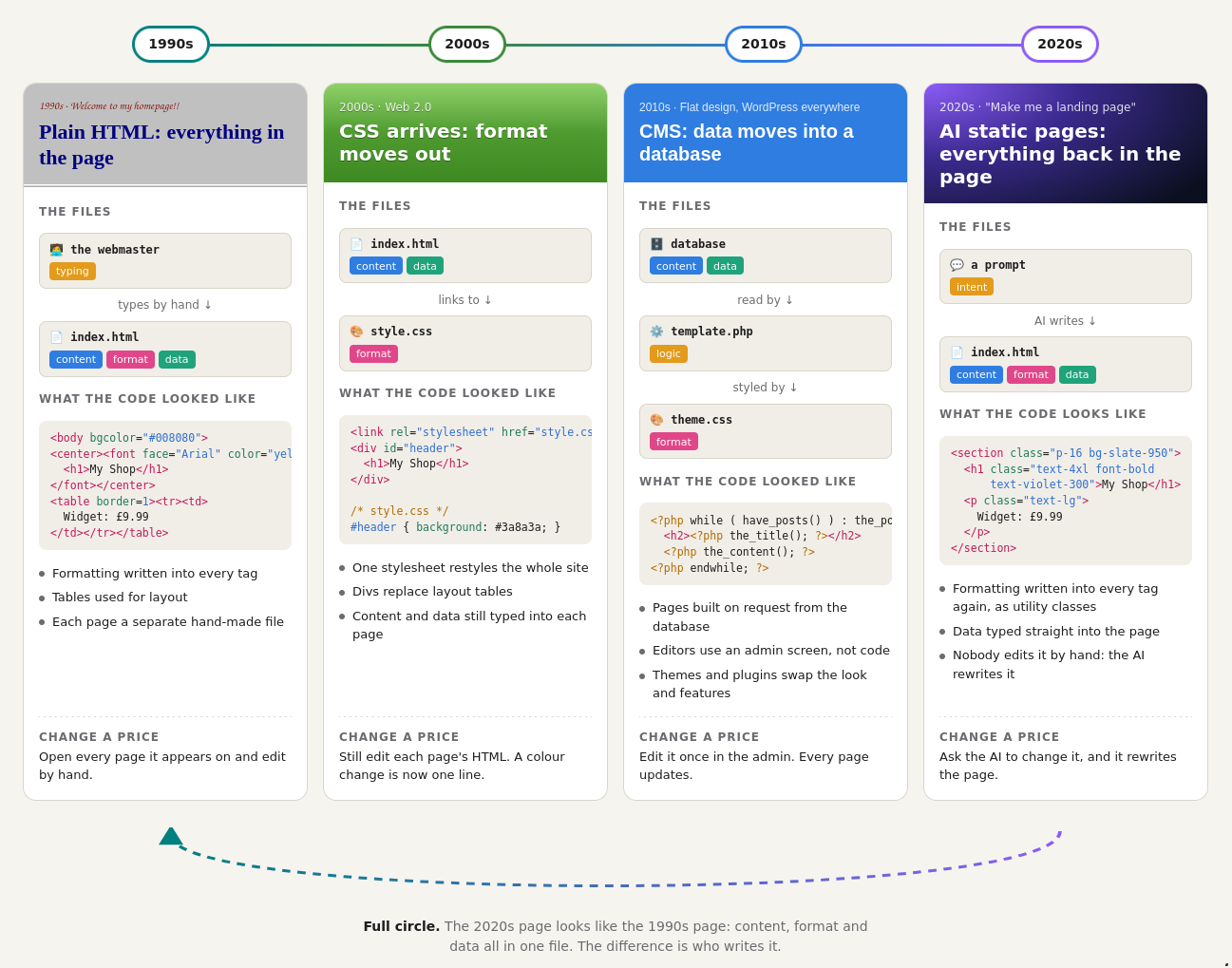
This site is a few pages and some posts, that’s it. I don’t really add much content, and posts are just written in Word. Agents and the scripts they write are really good at finding, grouping and sorting data, so managing loose files is easy. All the things WordPress and all Content Management Systems (CMS) give that make life “easier” are now not needed. So this brings us to the main point of this post, “DO YOU NEED WORDPRESS?”
Do you need WordPress?
Simple answer - it depends, probably not… with caveats and lots of unlesses.
If you run a small site, it’s just a classic 3-page (home, about and contact) business site or a few steps above that, then no. You honestly don’t need WordPress. You are carrying around an entire RAC breakdown truck just in case you get a flat tyre. Your site is loading a few pages that have not changed in months (if not years), it needs updating and it’s slower than it should be. Your site could be converted into a simple static set of pages that load in 0.1s and all the maintenance headache is gone, for the cost of a chocolate bar. You are in control and you have access to the distilled information of the internet, where developers love to talk all things web dev.
We did this to our own site first. Uncached, pages took 2.5s to load and now they load in 0.25s. We’re not the only ones either. One solo web developer has moved all of their clients that don’t run WooCommerce over to static HTML, generated with Claude doing the driving. A gutter cleaning business went even further and dropped both WordPress and his marketing agency, for a Claude subscription and some skills training.
Not as simple as it sounds
Now this all sounds really simple. When I trained to be an electrician many, many years ago, all I really did was just connect things with wires to the supply. Of course it was a lot more in depth than that and web development is no different. Just asking ChatGPT or Grok to update your page with the new opening hours is not the same as using a workflow where those changes are run through tests and checks. At home you might be happy changing the light switch on your landing, but when it comes to wiring in a commercial kitchen, it’s best to hire experts. This also applies to your website, which in turn is a large part of your online brand and identity.
Is it worth taking the risk to just DIY your website with a Claude subscription?
Without proper planning and tooling, NO. If you have an established website, do not just drop your website team and spend £60 a month on ChatGPT. The biggest thing you pay for when you hire a web team is experience and knowing all the easy mistakes you could make, because they have already made them with someone else. Speak to someone who has not only built sites with AIs but also built commercial websites. The term slop gets thrown around a lot and without knowing what you NEED upfront, it’s easy to make something that looks cool but is really an accessibility nightmare that search bots get confused by.
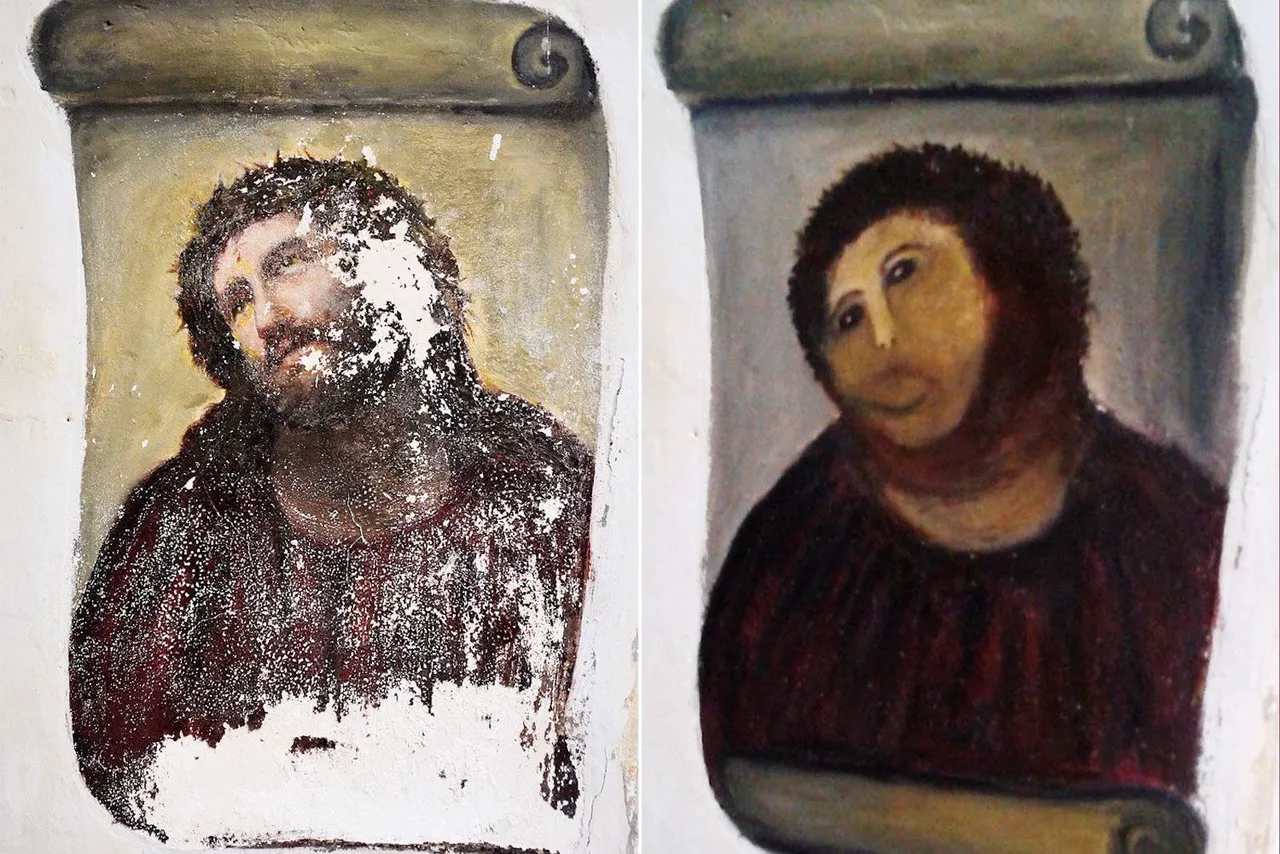
It’s not only your online reputation at risk. There is also the risk of letting an AI gaslight you into thinking your site and SEO are fine. If your site handles personal details, takes orders, handles subscriptions, or issues tickets and bookings, it’s probably best to stick with WordPress. All these concepts sound simple, but are packed full of risks where a single oversight or bad piece of planning costs you money and at times large amounts. WordPress and its commercial ecosystem is active and while it feels safe to vibe code, it’s best not to. That is not to say that it’s not possible to use AI to maintain and build these sites. Far from it. With the use of custom harnesses and always-online agents/swarms, it’s possible to supercharge them, but like building a house, it’s best handled by the professionals.
It depends
That was a lot of words to say “It depends on lots of factors really if it’s still worth using WordPress in 2026”. Most of us who work with it use AI to do a lot of our work, we also spend a lot of time honing our harnesses, creating skills and making sure they work to the standards we do. While parts of this can be shared and taught, like any skill, a developer’s or agency’s experience is what you pay for. It’s really risky to just jump in at the deep end and think it’s as simple as what the page says/looks like, but with a little guidance, it’s very doable.
If your site is a few pages that rarely change, we can move it off WordPress for you. You get plain pages that load fast and cost next to nothing to run, and changes still go through our tests and checks before they go live.
If you take orders, bookings or memberships, keep WordPress. We’ll bring the AI side to it properly (custom harnesses, tests and checks), so you get the speed without the vibe coded mess. Not sure which side you’re on? Send us the address and we’ll tell you honestly.
If you would like to have a conversation about your website and where you want to take it, please feel free to get in touch.
Get in touch